
Plan Your Idaho Snowmobiling Trip Like a Pro
Everything you need to know before hitting the snowmobile trails in Idaho — from where to stay and what to pack, to local rules, safety tips, and seasonal advice.
Plan Your Ride Fast & Sled With Confidence
Get snowmobile-ready in minutes with quick tips, essential gear, and local advice for riding in Idaho’s Yellowstone Teton Territory. Whether you’re new to the sport or an experienced rider, knowing what to pack and what to expect makes all the difference.
Plan Your Idaho Snowmobile Trip Fast
Get a quick overview of what you need for an epic snowmobiling adventure in Idaho — from where to stay and trail access to fuel stops, grooming reports, and safety gear.
- Best Base Town: Island Park or Ashton — but all corners of the Yellowstone Teton Territory offer access to top-tier snowmobile trails and deep powder.
- Trail Types: Groomed trails, backcountry powder, forest routes, and mountain passes
- Cell Signal: Spotty to none in remote areas — download offline maps
- Trail Access: Mostly free, some groomed trails may require permits
- Safety Must-Haves: Avalanche beacon, shovel, and GPS tracker
Must-Have Snowmobiling Essentials
Before you hit the powder, make sure you’re prepared for Idaho’s winter conditions with the right gear for safety, comfort, and backcountry readiness.
-
DOT-approved helmet – Critical for safety and required on most trails.
-
Insulated snowmobile gear – Waterproof bibs, jacket, gloves, and boots to stay warm and dry.
-
Avalanche safety gear – Beacon, shovel, and probe if riding in mountainous or ungroomed areas.
-
Navigation tools – GPS device or offline maps; don’t rely on cell signal.
-
Spare fuel and tools – Many areas are remote; carry essentials for minor repairs and extra fuel.
-
Snacks and water – Cold weather and long rides can drain energy fast.
-
Emergency kit – Include a fire starter, flare gun, space blanket, and first aid supplies.
Where to Stay in Idaho’s Snowmobiling Regions
From snowmobile-friendly lodges and cabins to hotels with trailer parking and quick access to groomed trails, Idaho offers the perfect base for every kind of winter rider.
Top Lodging Near Snowmobile Trails
Find the best places to stay near Idaho’s top snowmobiling routes — from cozy cabins to trail-accessible lodges that put you right on the powder.
-
Island Park snowmobile lodges
-
Driggs & Victor winter hotels
-
Cabins near West Yellowstone & Teton Valley
Snowmobiling Tips for First-Time Visitors
New to snowmobiling in Idaho? Here’s what you need to know before hitting the trails in the Yellowstone Teton Territory:
-
Know the Terrain – Expect deep powder, open meadows, steep climbs, and forested routes. Always ride within your skill level.
-
Watch for Wildlife – Moose, elk, deer, and bison may be present on or near trails. Never approach wildlife, keep a safe distance, and slow down in wooded or low-visibility areas.
-
Avalanche Awareness – Many snowmobiling zones are in or near avalanche terrain. Carry a beacon, probe, and shovel—and check the local avalanche forecast before your ride.
-
Stay on Designated Trails – Off-trail riding is restricted in many areas, especially near wildlife habitats or protected zones. Know where you’re allowed to ride and follow posted signage.
-
Respect Private Property – Trails may pass near or across private land. Stay on marked routes to avoid trespassing and damaging fences or fields.
-
Fuel Up & Plan Ahead – Gas stations are few and far between in remote areas. Fill up before heading out, and download offline maps—cell signal is limited in the backcountry.
-
Dress for the Cold – Wear windproof, waterproof outer layers, insulated snow boots, a DOT-approved helmet, and warm gloves. Hypothermia and frostbite are real risks in sub-zero conditions, check the local weather report before you sled.
-
Ride With a Buddy – Don’t sled alone. Snowmobile in groups or pairs and always let someone know your route and estimated return time.
-
Know the Laws – Idaho requires snowmobile registration and has age-specific operating rules. Youth under 16 may need supervision or snowmobile safety training, depending on location.
What to Pack for Snowmobiling in Idaho
Proper gear makes all the difference when snowmobiling in Idaho’s rugged and often unpredictable winter conditions. Elevation, deep snow, and fast-changing weather mean preparation is key.
Essentials to Bring Snowmobiling
Planning to explore Idaho’s snowmobile trails? Make sure you’re geared up for both fun and safety. Conditions can change quickly at high elevations, and remote areas often lack cell service. Here’s what to pack:
-
DOT-approved helmet (with face shield or goggles)
-
Insulated, waterproof snowmobile suit or layers
-
Warm gloves and extra backup pair
-
Insulated, waterproof boots
-
Balaclava or face mask for wind protection
-
Trail map, GPS, or downloaded navigation app
-
Water and high-energy snacks
-
Small first aid kit
-
Emergency blanket
-
Tool kit and tow strap
-
Avalanche beacon, probe, and shovel (required for backcountry)
What to Expect on the Trail in Idaho
Snowmobiling in Idaho offers incredible variety — from groomed scenic routes to deep backcountry powder. Terrain, elevation, and weather can change fast, especially in the Yellowstone Teton Territory.
Be prepared for:
-
Variable snow conditions (groomed, icy, powder, or windblown)
-
Steep climbs and descents
-
High elevation riding (some areas above 8,000 feet)
-
Limited or no cell service in remote zones
-
Wildlife crossings (including moose and elk)
-
Extreme cold and sudden whiteouts
Always check the local avalanche forecast, carry proper gear, and ride with a buddy. Let someone know your planned route and estimated return. Knowing what to expect ensures a safer and more enjoyable snowmobile trip in Idaho.
When To Snowmobile & What Are The Rules & Required Permits In Idaho
Snowmobiling season in Idaho typically runs from December through March, but timing can vary depending on snowfall and elevation. Riding rules and permit requirements differ across regions and public lands.
Idaho’s Snowmobiling Season and Conditions
Snowmobiling season generally runs from December through March, though exact timing depends on snowfall and elevation.
-
Early Winter (Dec–Jan): Trails open as snow accumulates; conditions can be variable with some thin spots early on.
-
Mid-Winter (Feb): Peak season with deep snow and well-groomed trails—best time for most riders.
-
Late Winter (Mar): Snowpack starts to soften; watch for melting and potentially slushy or icy conditions.
Always check local snow reports and trail conditions before heading out to ensure a safe and enjoyable ride.
Tips for Encountering Grooming Equipment
Keep these key tips in mind when you encounter grooming machines on the trail:
-
Trail groomers may be working at any time—stay alert.
-
When meeting a groomer coming toward you, slow down and move your snowmobile to the far right side of the trail.
-
On narrow or winding sections, you may need to stop completely at the trail’s outside edge to let the groomer pass safely.
-
If you’re catching up to a groomer from behind, slow down and check ahead.
-
Only pass the groomer if you have clear sight lines and the trail ahead is free of oncoming traffic. Pass cautiously.
-
If you need to stop and talk to a groomer, do so only where it’s safe and visibility is good.
Registration Information & Resources
Snowmobiling in Idaho means navigating snowy backcountry and sharing space with wildlife such as moose and eld. Stay safe by riding in groups. Cell service is often non-existant—download offline maps and use trusted apps like Snow Trails or OnX Backcountry. For current trail conditions and local support, check with ranger stations like Caribou-Targhee National Forest or consult official reports from Idaho Parks & Recreation.
Registration & Sticker Placement
Idaho’s trails pass through habitats shared with diverse wildlife. Staying safe means knowing what animals you might see and how to respect their space.
-
Every snowmobile must be registered before riding on public or private land in Idaho.
-
Registration (officially called a certificate of number) is due on or before November 1 each year. snowtracks.comIdaho Parks and Recreation
-
Newly purchased sleds must be registered before leaving the dealer; used sleds must transfer registration within 15 days of sale. A transfer fee of $4.50 applies. snowtracks.comFremont County
Fee Breakdown:
Fees depend on residency and duration:
-
Residents: $45.50 for 1 year; $89.50 for 2 years
-
Non-residents: $59.50 for 1 year; $117.50 for 2 years
-
Rentals (snowmobiles for rent): $75.50 per season Idaho Parks and Recreationsnowtracks.com
Sticker Placement:
-
Stickers must be visibly mounted on the left and right sides of the cowling. Improper placement — such as on handlebars or tunnel — invalidates registration.
Helpful Resources & Apps
Maximize your snowmobiling experience with trusted tools and local resources. These apps, maps, and contacts help you navigate trails safely, check current conditions, and stay informed while on the move.
Apps To Use:
Local Ranger Stations:
Trail Conditions
-
U.S. Forest Service – Caribou-Targhee NF Trail Info
Distinguished Members of The Yellowstone Teton Territory
Filter by Location
Additional Hiking in the Region
Filter by Location

Bear Gulch to Mesa Falls

The Bear Gulch/Mesa Falls trail system is one of the most scenic in Idaho. Ski trails cruise alon...
Big Hole Mountains

The Big Hole Mountains and Big Hole Valley in southwestern Montana are a paradise for outdoor advent...







Grand Teton National Park

Rising above a scene rich with extraordinary wildlife, pristine lakes, and alpine terrain, the Te...



Horseshoe/Packsaddle Trail

On the west side of the Teton Basin there are multiple trails and roads that skirt the foothills ...
Idaho Falls Greenbelt & Riverwalk

The Greenbelt runs 5 miles next to the Snake River. Bike or walk the path & enjoy the 600 ft wide...

Mesa Falls Scenic Byway

This scenic byway includes the popular Warm River campground and two of the most spectacular wate...


Palisades Lake Trails

Both lakes were formed ages ago when giant landslides came down the canyon and blocked the creek....
Palisades Reservoir

Palisades Reservoir is a beautiful reservoir that straddles the Idaho-Wyoming border


South Fork Fall Creek Trail

South Fork Fall Creek Trail is a moderate to hard trail. Popular and fun - hike, bike or ride. Lo...
South Fork of Snake River

Known for it breathtaking scenery and unbelievable trout fishing, the South Fork of the Snake Riv...


Teton Whitewater / Island Park Sports
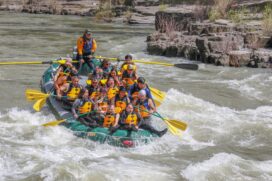
Teton Whitewater is a seasoned rafting outfitter in Jackson Hole, offering guided Snake River whitew...
The Wildland Trekking Co

Hiking and backpacking tours; specific details not available for eastern Idaho.

Wilderness Ridge Trail Llamas LLC

Wilderness Ridge Trail Llamas is a family-owned outfitter based in Idaho Falls, established in 2010.
Yellowstone National Park

Yellowstone National Park has rich human and ecological stories that continue to unfold.


